TRENDEFRARAtlas of the Sultans
Ottoman State Organisation: Divan, Grand Vizierate, Timar, Devshirme and Waqf
For six centuries the Ottoman state governed a vast territory through institutions such as the Imperial Council, the grand vizierate, the learned hierarchy (ilmiye), the timar and provincial system, the devshirme and the Kapıkulu corps, and the pious foundations (waqfs). These entries explain each institution's origins, workings, changes over time and abolition.
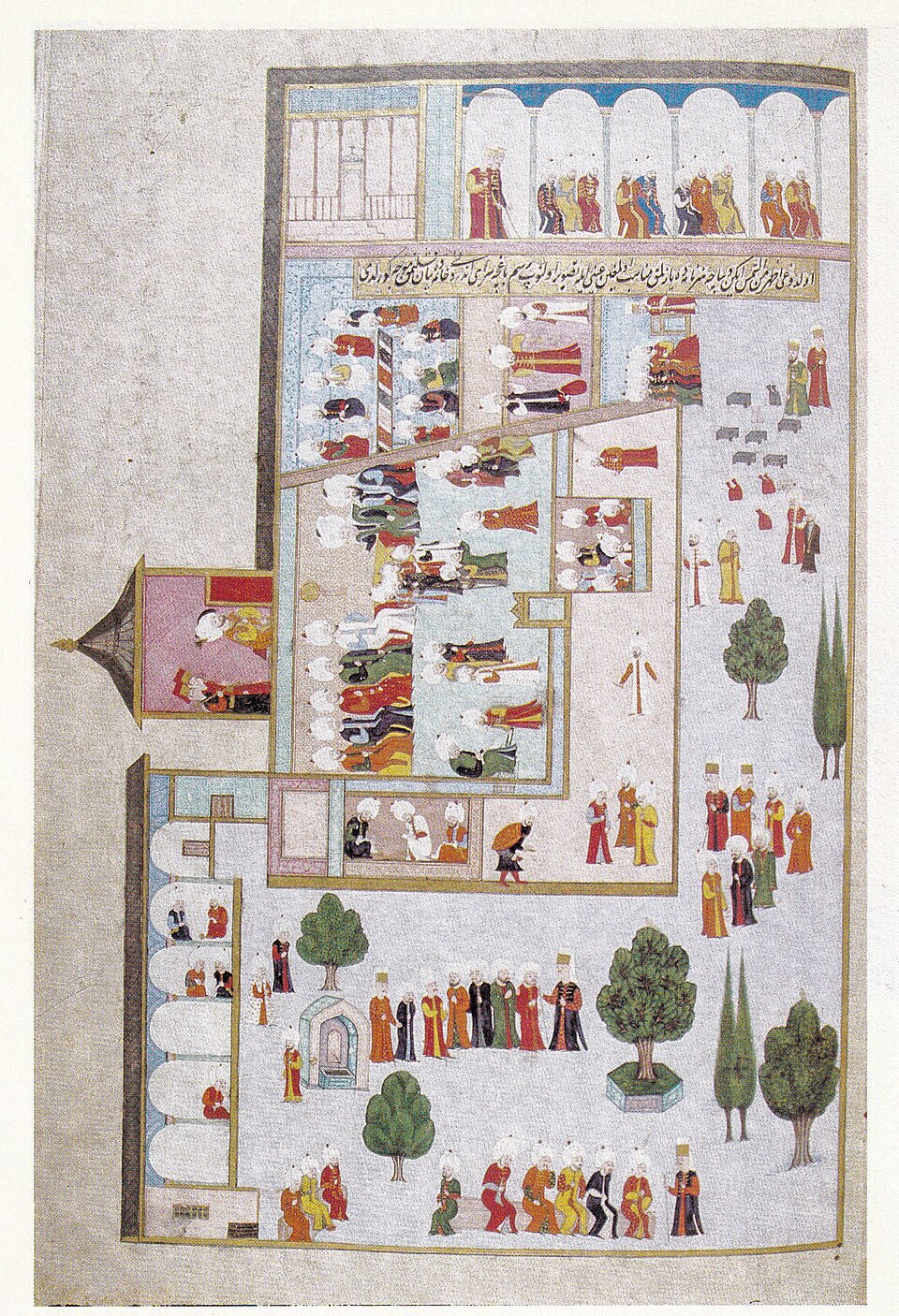 The Imperial Council (Divan-ı Hümayun)Ottoman central government · 15th–19th centuries
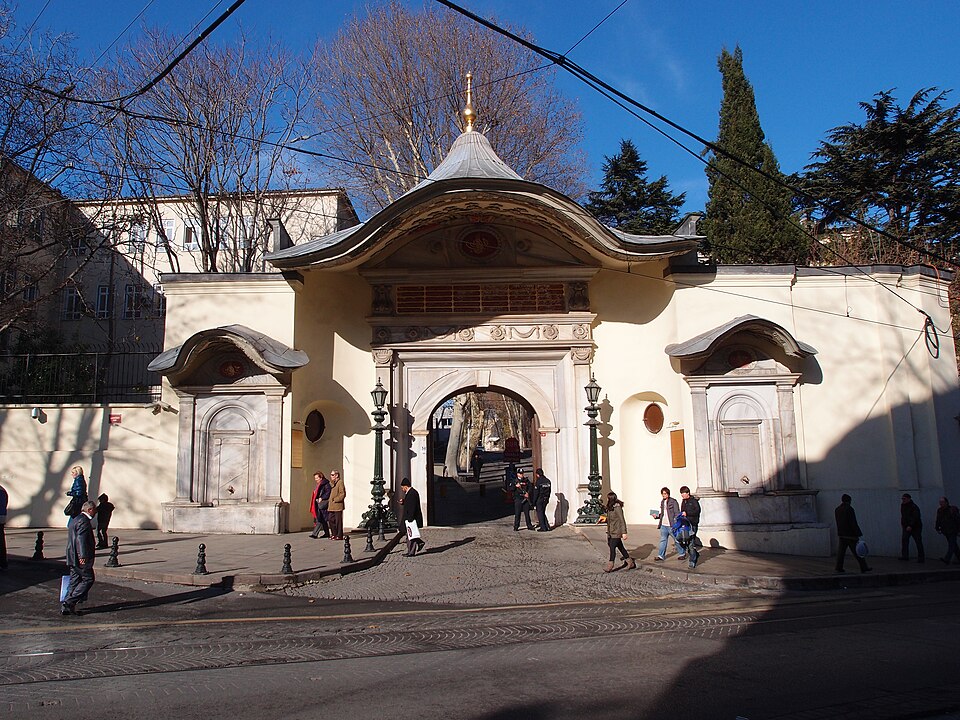 The Grand Vizierate and the Sublime PorteOttoman central government · 14th–20th centuries
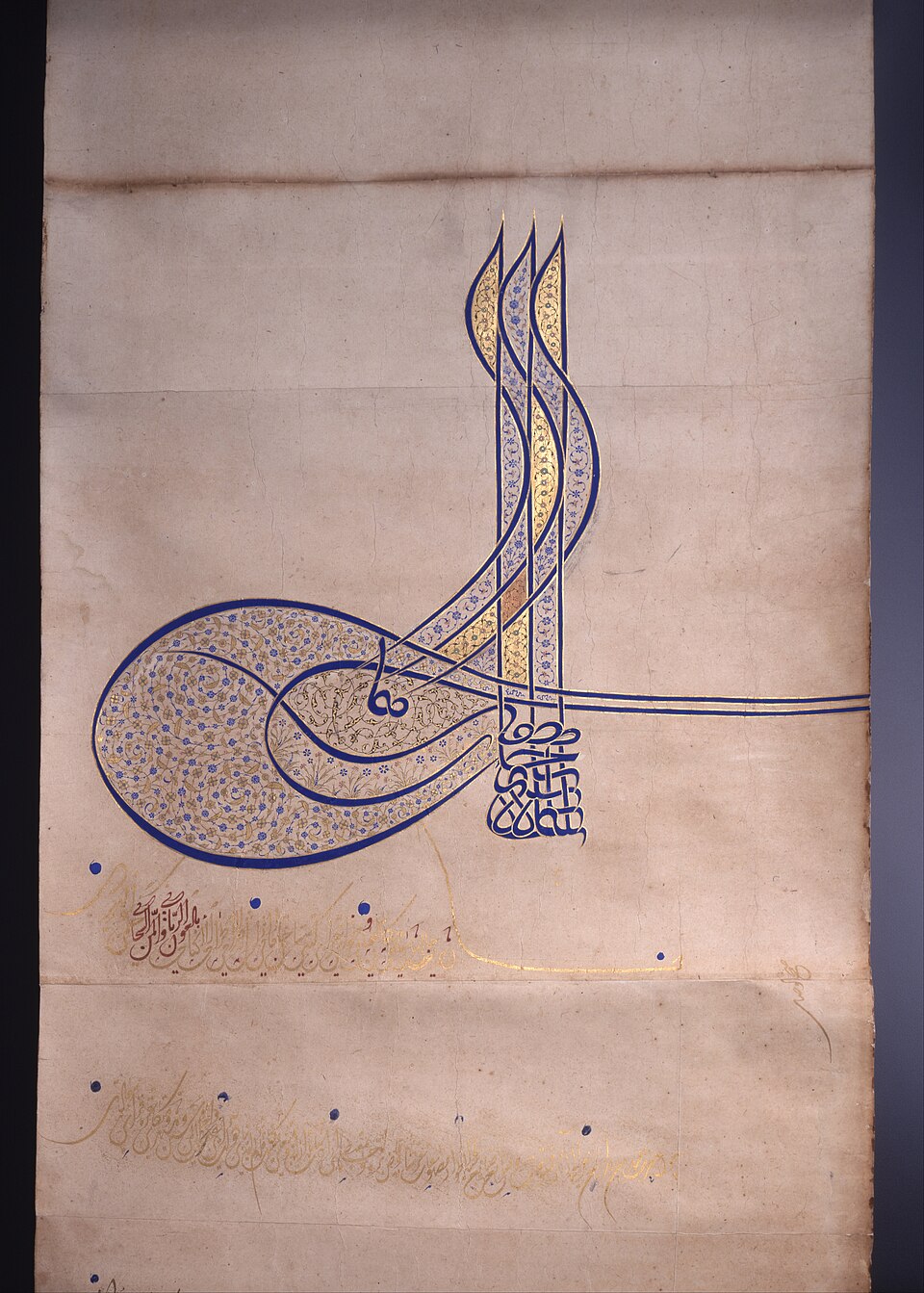 The Nişancı and the Scribal Service (Kalemiye)Ottoman bureaucracy · 14th–19th centuries
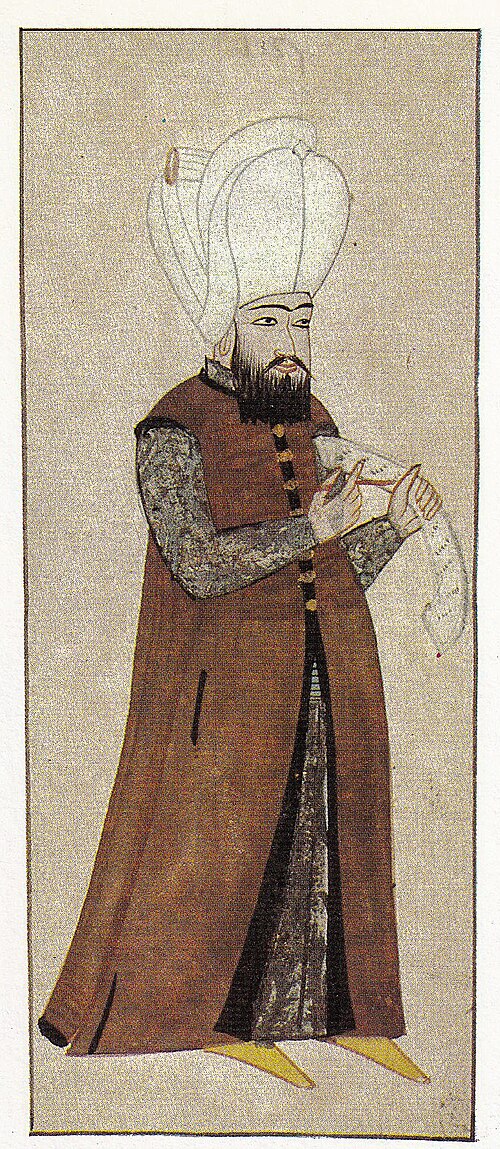 The Treasury (Defterdarlık) and Ottoman FinanceOttoman central government · 14th–19th centuries
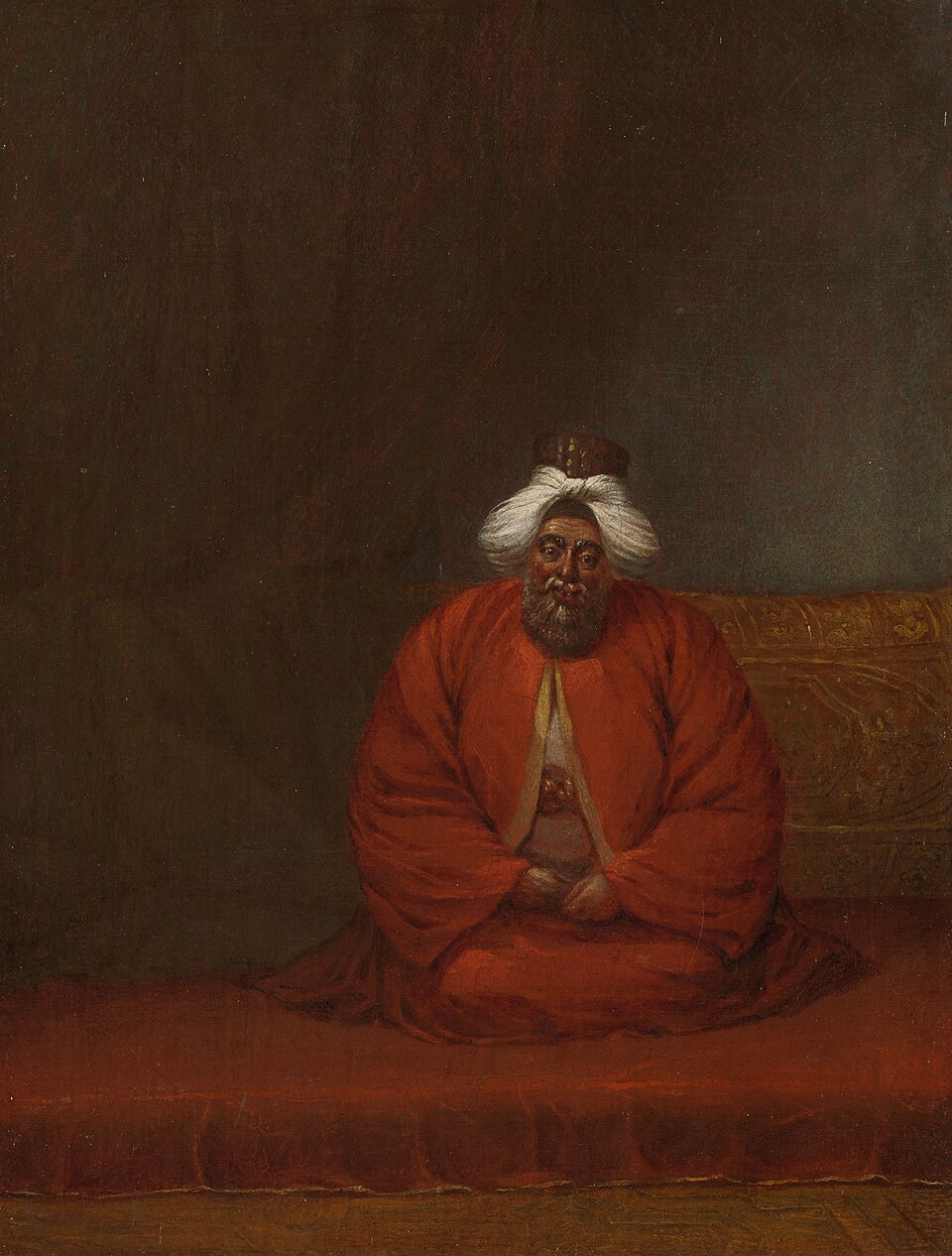 The Office of ŞeyhülislamHead of the learned hierarchy · 1425–1924
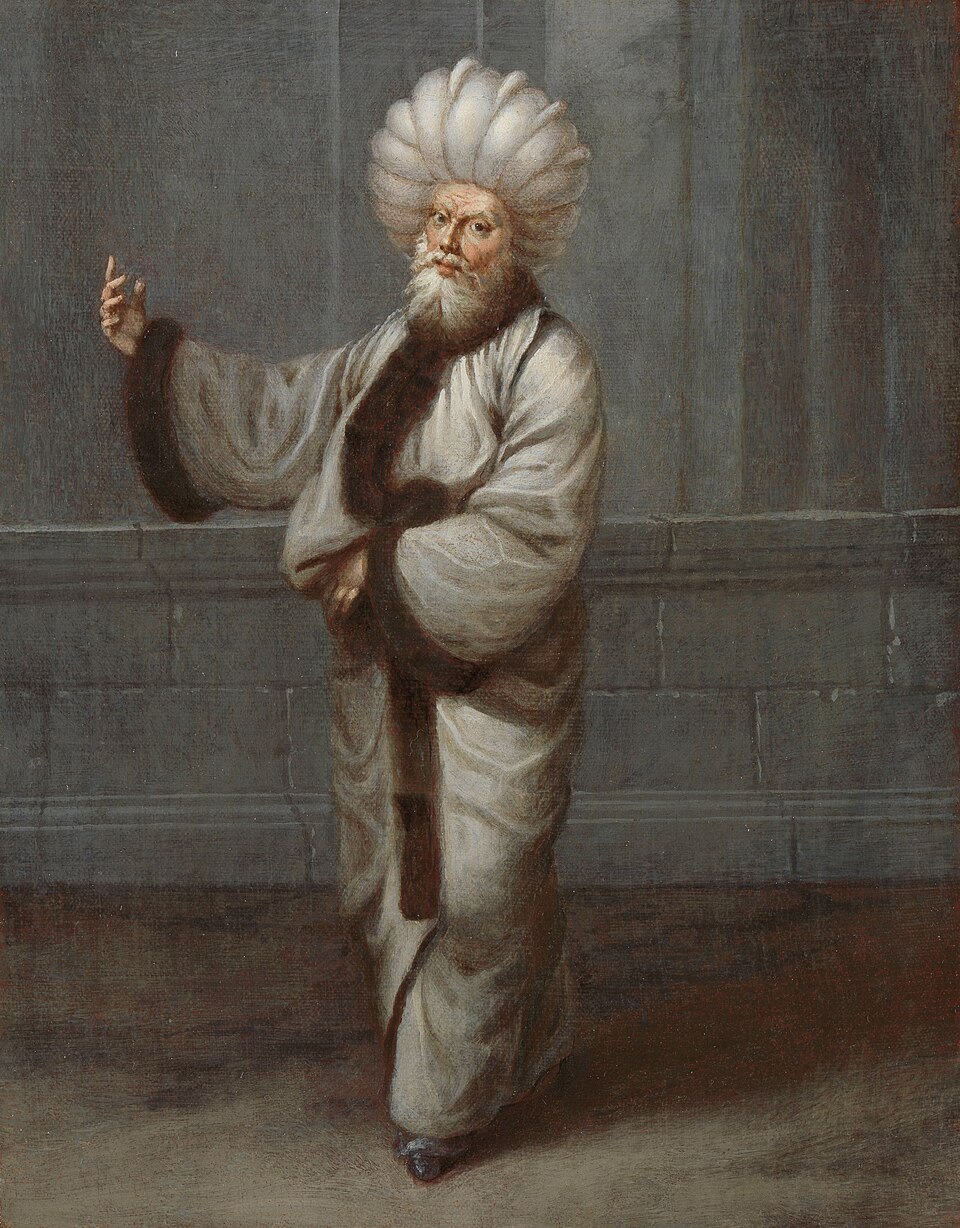 The Learned Hierarchy and the JudgeshipEducation, justice and legal opinion · 14th–20th centuries
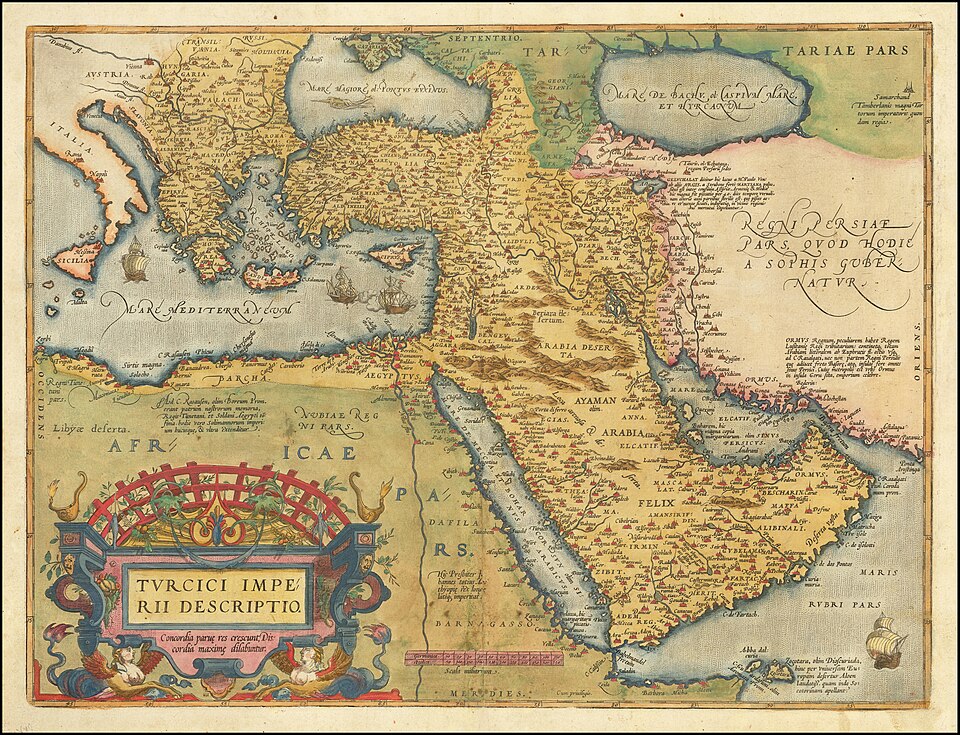 The Province and Sandjak SystemOttoman provincial administration · 14th–20th centuries
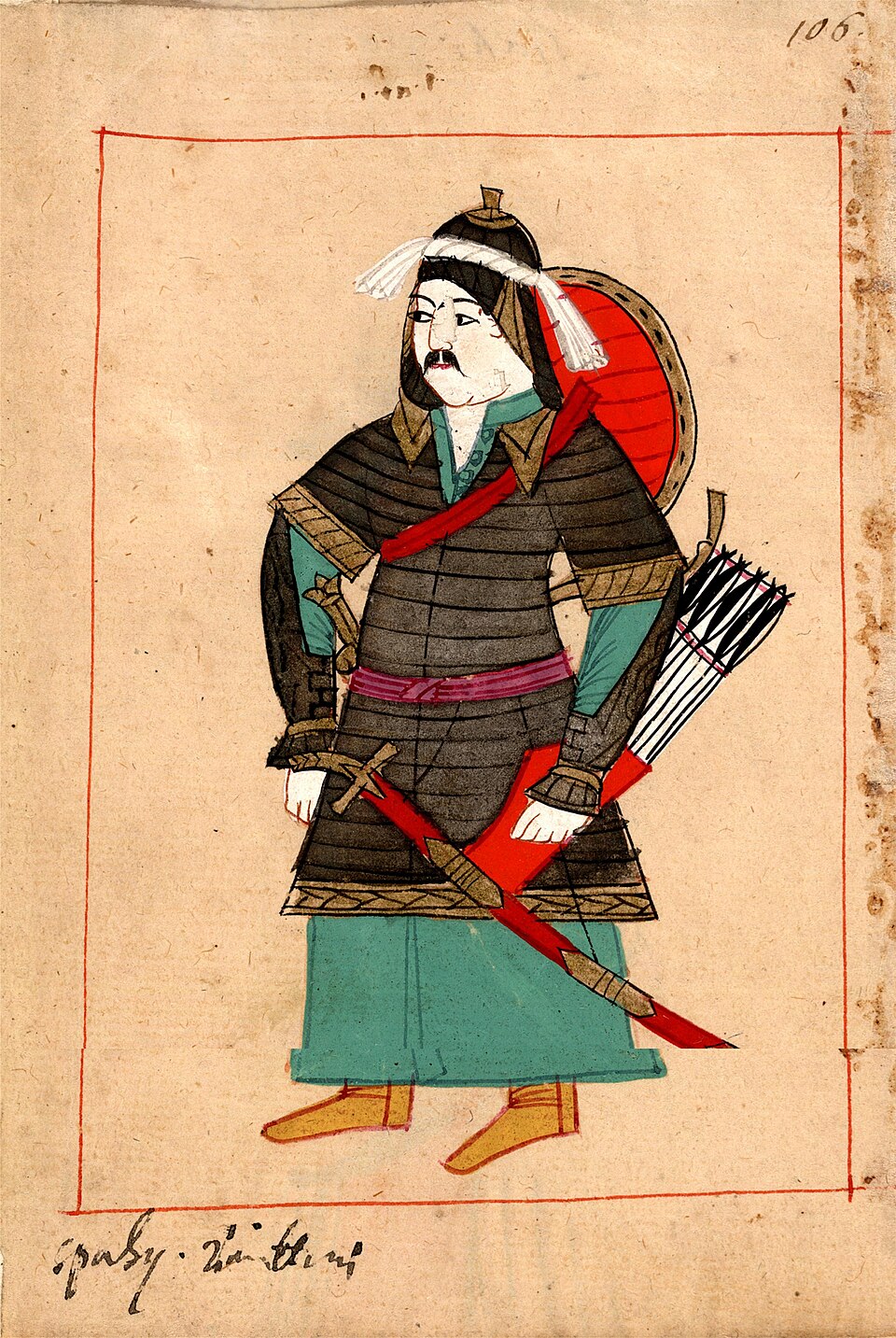 The Timar SystemMilitary and fiscal land regime · 14th–19th centuries
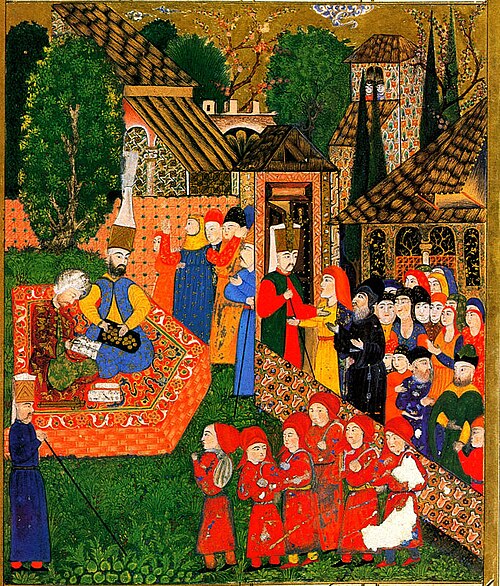 The devshirme systemSource of Ottoman soldiers and administrators · 15th–18th centuries
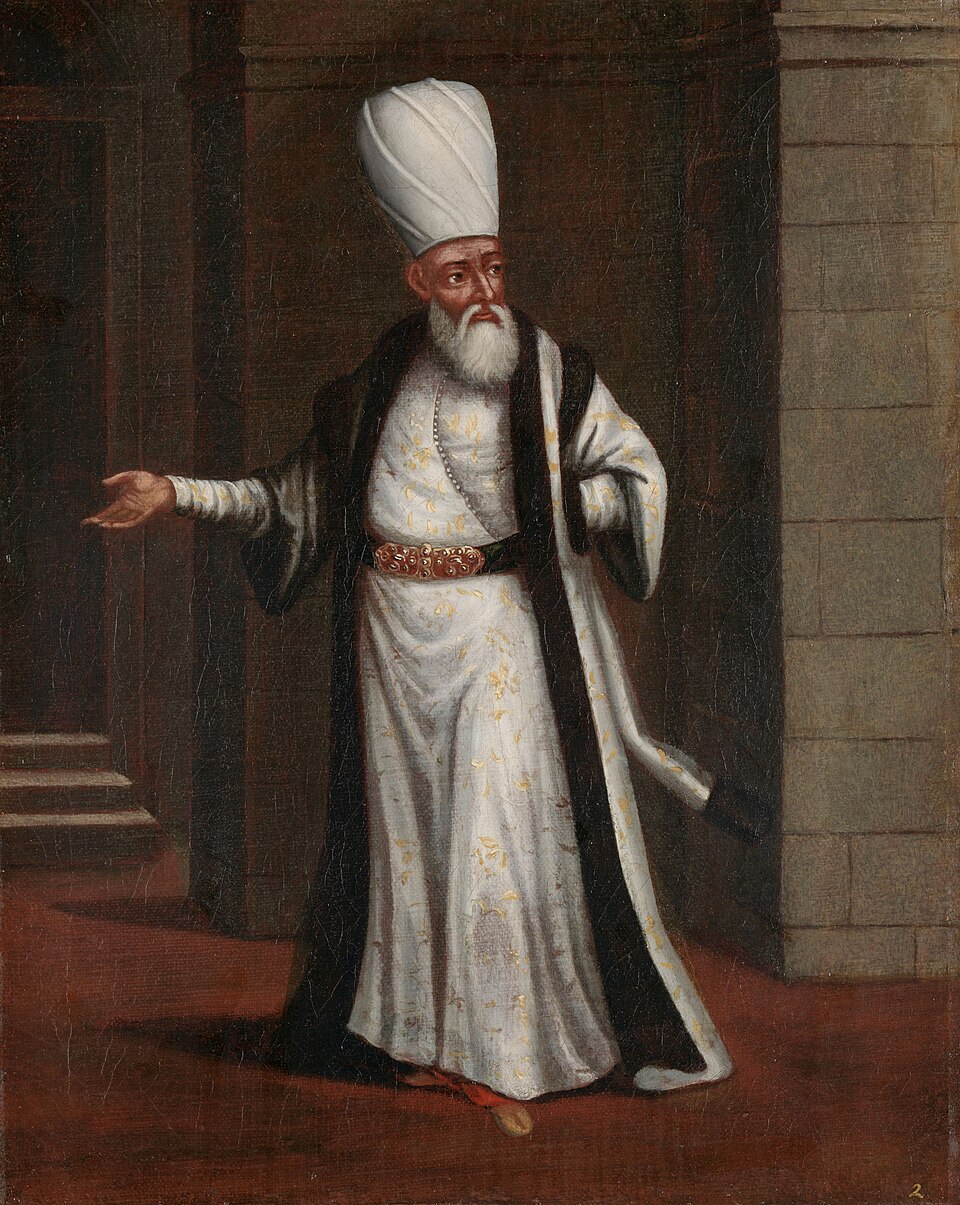 The Kapıkulu corpsOrganisation of the Ottoman central army · 14th century–1826
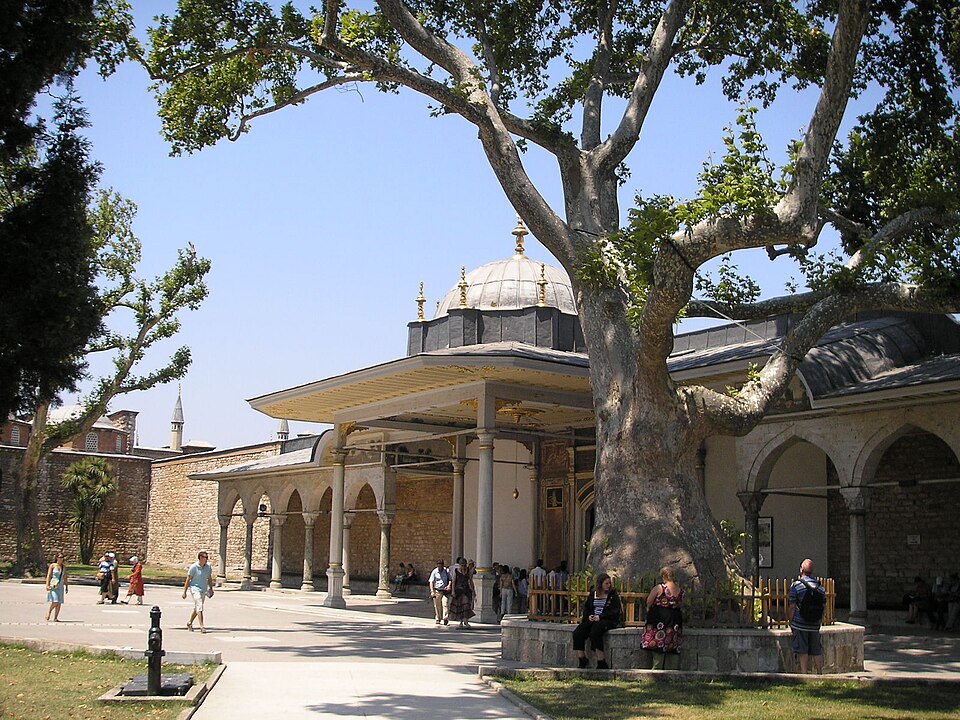 The Enderun and the palace organisationThe palace school and the order of Topkapı · 15th–19th centuries
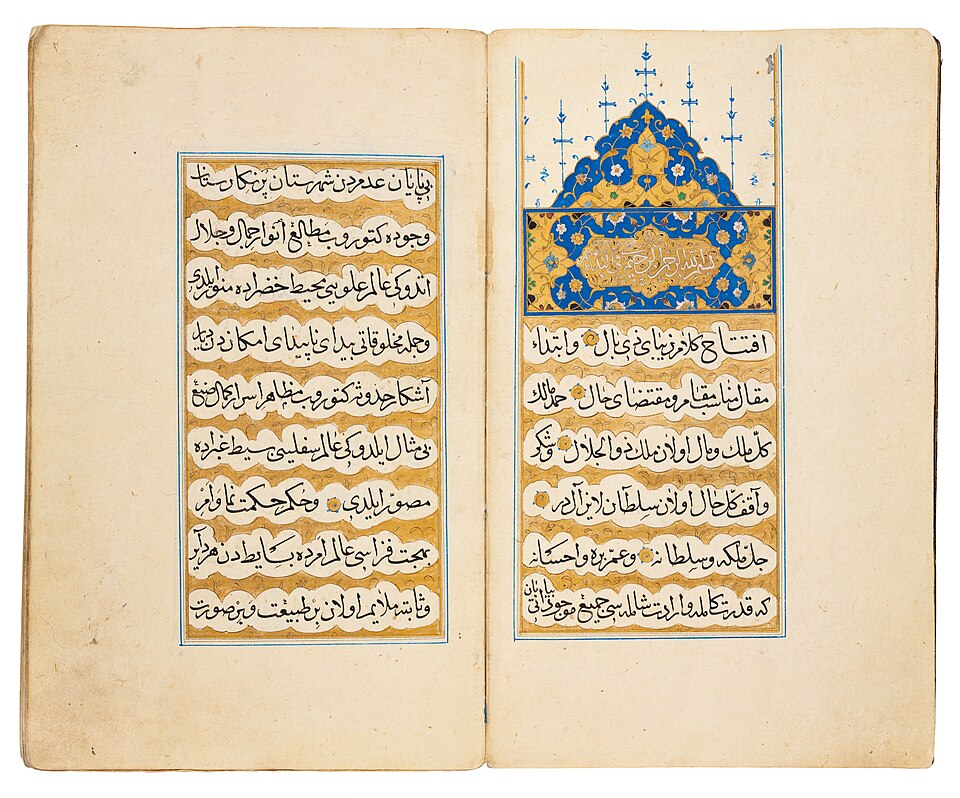 The waqf system in the Ottoman EmpireCharitable works and their endowed revenues · 14th–20th centuries
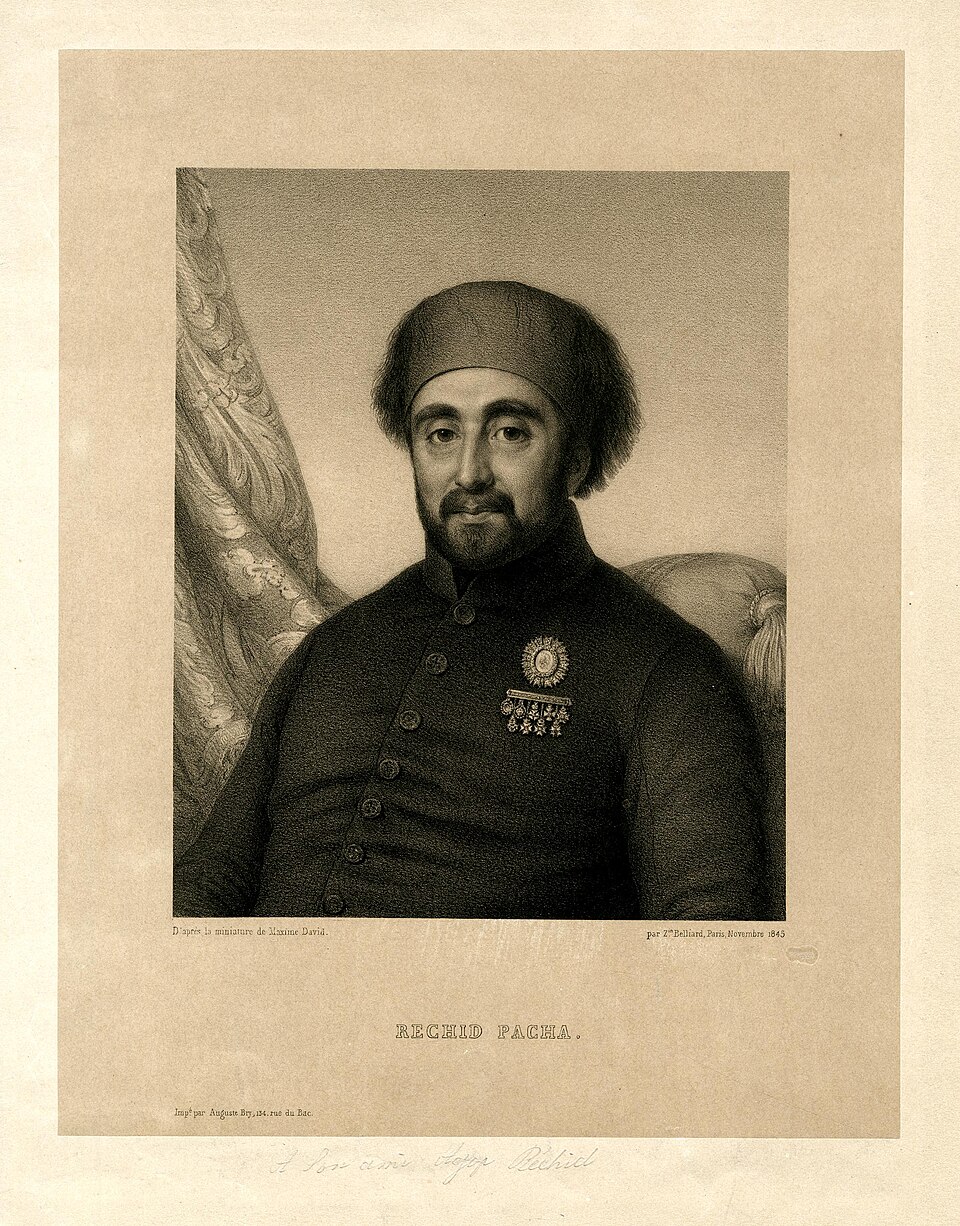 The Tanzimat and the renewal of governmentReform of central and provincial administration · 1830–1878