TRENDEFRARAtlas of the Sultans · State organisation
The Grand Vizierate and the Sublime Porte
Institution · Ottoman central government · 14th–20th centuries

From veziriazam to sadrazam
The grand vizierate emerged as a continuation of the chief vizierate found in Turkish-Islamic states, especially among the Seljuks, and was a powerful institution in the Ottoman state from the beginning. Until the late 16th century the term veziriazam (“greatest vizier”) was mostly used; the titles sadr-ı ali and sadr-ı azam, from sadr (“the highest”), spread from the second half of the 16th century. The office itself is called sadaret. This page describes the office, not the lives of the grand viziers.
Little is known about the office before the mid-15th century. Under Murad I, when there was more than one vizier, Çandarlı Kara Halil Hayreddin Pasha, who came from the ulema and had been a military judge (kazasker) before becoming vizier, rose to act as a kind of chief vizier; after his death in 1387 his son Çandarlı Ali Pasha continued the role until 1406. The Çandarlı family's tenure of more than seventy years gave rise to the saying “The sultanate belongs to the House of Osman, the vizierate to the Çandarlıs”, and the office took on the appearance of a hereditary institution drawn from the ulema.
The absolute deputy
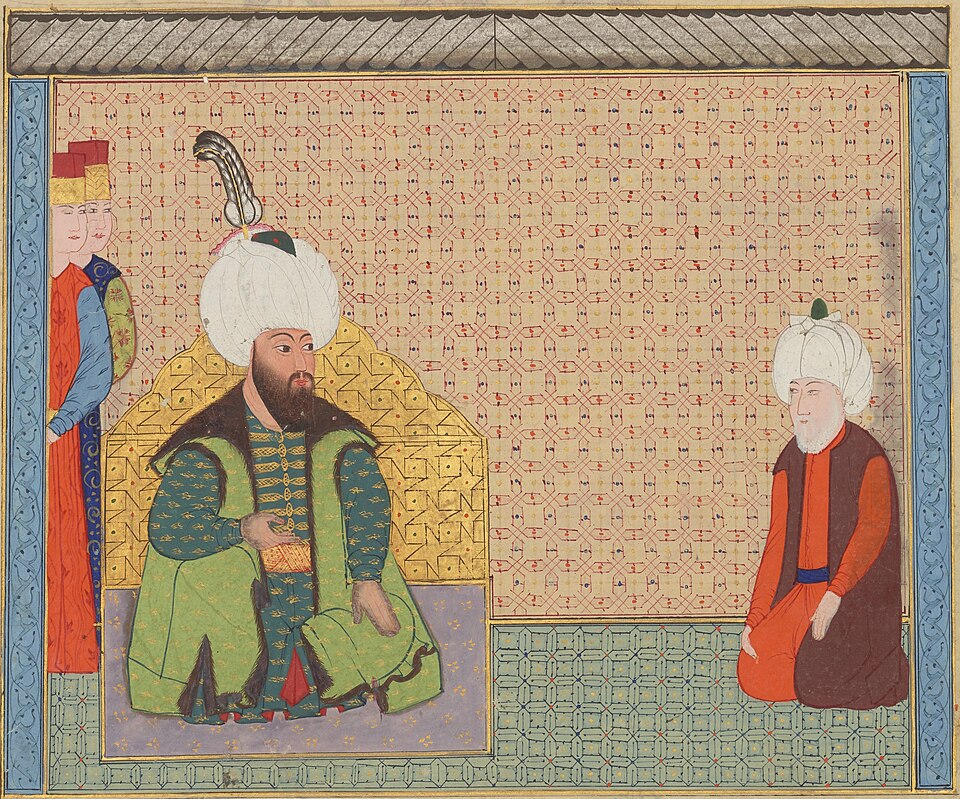
The status and powers of the office became clear under Mehmed II. The Conqueror's law code of organisation defined the grand vizier as head of the viziers and commanders and “absolute deputy in all affairs” (vekil-i mutlak), placing him first in protocol; the sultan thereby delegated his administrative power to his deputy. After the conquest of Istanbul Mehmed II brought forward statesmen of devşirme origin in order to break the power of families that might rival the dynasty. According to the TDV article, of the seventy-one grand viziers who served between 1453 and 1654 only nine were of Turkish origin.
The mid-17th-century law code of Tevkii Abdurrahman Pasha lists the grand vizier's powers explicitly: religious and state affairs on the sultan's behalf, the execution of punishments, hearing lawsuits, applying sharia and customary law, governing the country, and granting provinces, districts, timars, pious foundations and posts such as imam and preacher, in short all appointments in the religious and military establishments. The symbol of the office was the imperial seal (mühr-i hümayun): the sultan's handing it over meant appointment, its withdrawal dismissal. Since appointment to the grand vizierate without being a vizier was irregular, a patent of vizierate was issued first. In the 17th century it became customary for the şeyhülislam to be present when a new grand vizier was received by the sultan.
 AI

Duties of the grand vizier
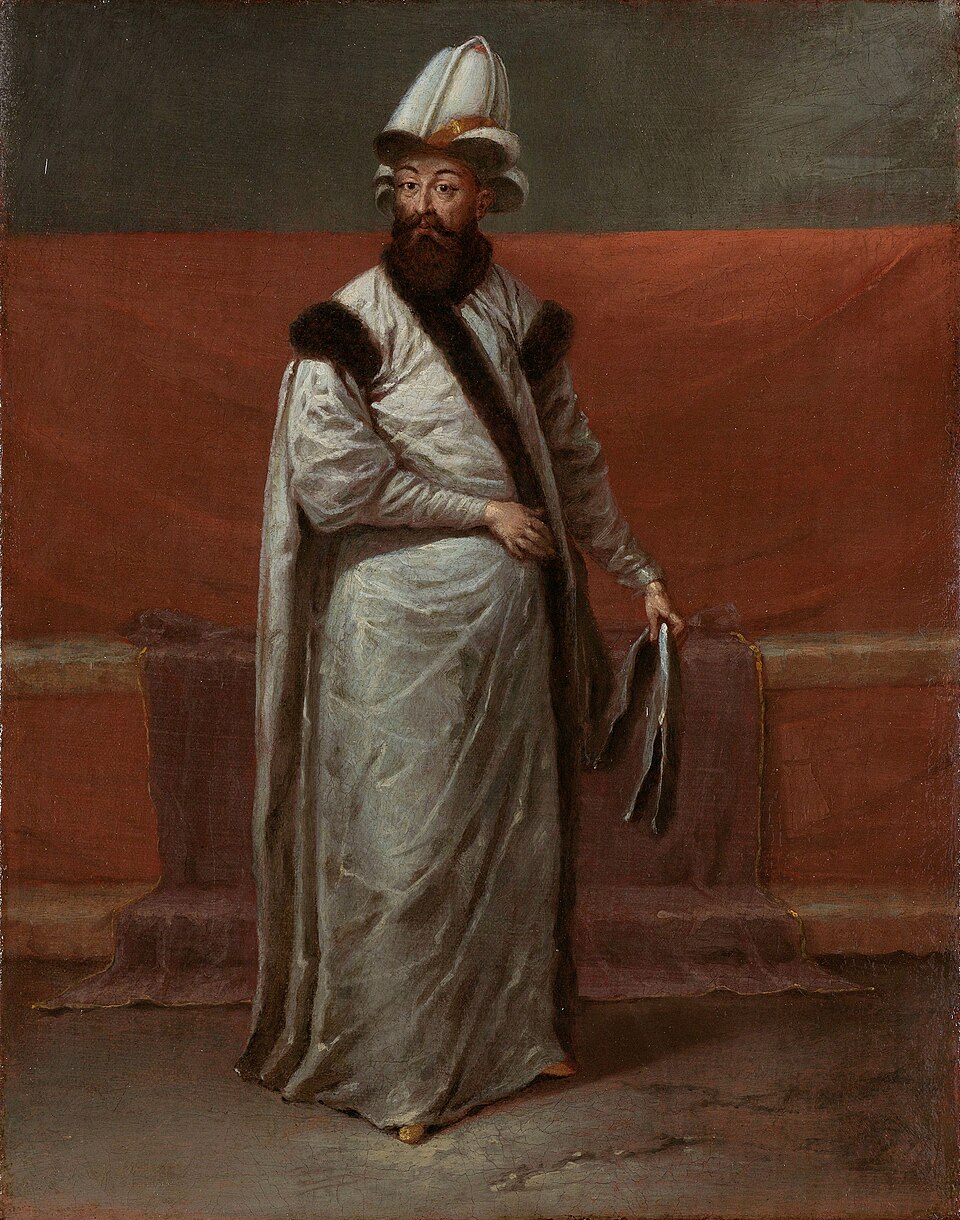
What occupied the grand vizier most were appointments across the empire. Ottoman posts were granted for fixed terms and were usually renewed collectively at the beginning of the month of Shawwal; the grand vizier submitted to the sultan, in a report (telhis), lists of those to be confirmed and those to be replaced, and once approved the new office-holders were invested with robes of honour at the Paşakapısı. Securing the quarterly pay of the standing troops (kapıkulu), inspecting markets and prices in person (kol gezmek), inspecting the Arsenal and supervising large foundations were also among his duties. Mehmed II's law code set the grand vizier's annual income at a revenue grant (has) of 1,200,000 akçes; with gifts, fees and presents, grand viziers were usually the richest officials of the state after the sultan. In return, the expenses of their households, which could reach 500, 1,000 or even 2,000 people, were very great.
To ensure justice the grand vizier heard cases at almost every opportunity. Besides the Imperial Council over which he presided, he held the afternoon council in his own residence, a council with the chief military judges on Friday mornings, and another with the kadıs of Istanbul, Galata, Üsküdar and Eyüp on Wednesday mornings. On campaign, as commander-in-chief (serdar-ı ekrem), he held full powers and left a deputy (sadaret kaymakamı) in Istanbul; diplomacy was also among his responsibilities. The şeyhülislam, the treasurer and the governors-general could submit reports to the sultan only through the grand vizier.
 AI

From Paşakapısı to the Sublime Porte
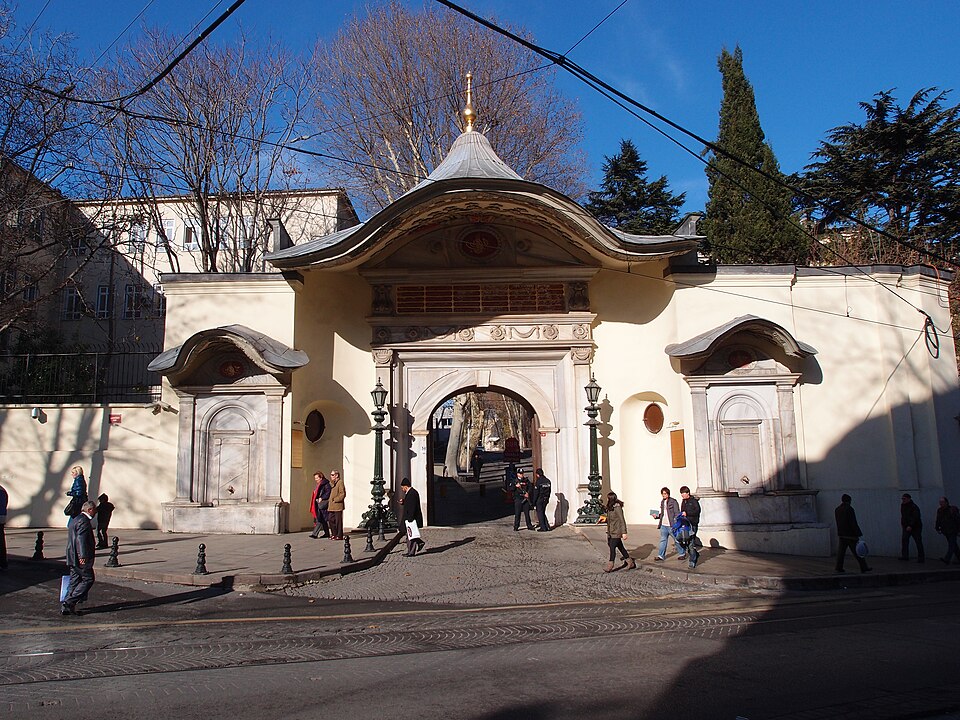
The grand vizier originally worked in the Kubbealtı within the palace. After the second half of the 17th century, as the Imperial Council became a symbolic body confined to ceremonies such as accession donatives, pay distributions and receptions of envoys, the centre of government shifted to the grand vizier's office, the Paşakapısı (Bab-ı Asafi). The term Babıali, “high gate”, began to be used for the grand vizier's office towards the end of the 18th century. Europeans rendered it as the Sublime Porte or Hohe Pforte, and in the 19th century, especially under Abdulmejid and Abdulaziz, the word came to denote the Ottoman government itself.
Because the grand viziers long had no official building, mansions near Topkapı Palace served as offices and residences. From the 19th century the Babıali buildings, apart from one or two temporary moves caused by fires, remained the grand vizier's office until the end of the state; after the founding of the Republic they were assigned to the Governorate of Istanbul. Before the ministries, three chief officials served under the grand vizier at the Porte: the steward (sadaret kethüdası, kahya bey) for internal affairs, the reisülküttap who directed all correspondence, and the çavuşbaşı for justice and public order. In 1835–1836 these became, respectively, the ministries of Civil Affairs (soon renamed Interior), Foreign Affairs (Umur-ı Hariciyye) and Lawsuits (Deavi).
The Tanzimat and the final period
In the Tanzimat era grand viziers were generally chosen from civil-service statesmen who had learned French and gave priority to European diplomacy; of the last thirty-nine grand viziers, ten had been educated wholly or partly in Europe, and many had trained in the Translation Office of the Porte. In the council of ministers meeting at the Porte under the grand vizier, each minister bore individual responsibility. From 1832 grand viziers sent memoranda to the sultan's chief secretary instead of submitting reports directly to the sultan; in 1838 the title başvekil (prime minister) briefly replaced sadrazam. In 1843 incomes such as revenue grants, presents and fees were abolished and the grand vizier was given a salary.
The 1876 constitution did not include the concept of the “absolute deputy”; it stated that the Council of Ministers (Meclis-i Vükela) would meet under the grand vizier to discuss internal and external affairs. According to the TDV article, grand viziers changed very frequently under Abdulhamid II, with forty-eight changes of the grand vizierate after 1876, partly owing to interventions by Western powers. The institution effectively ended on 4 November 1922 with the resignation of the last grand vizier, Ahmed Tevfik Pasha; the role passed to the prime minister of the Ankara government.
Source: TDV Encyclopedia of Islam, “SADRAZAM” (Mehmet Ipşirli); “BÂBIÂLİ” (Mehmet Ipşirli)
Related sultans
Cite as: Atlas of the Sultans, “The Grand Vizierate and the Sublime Porte · State organisation”, https://padisahlaratlasi.com/en/ottoman-state-organisation/the-grand-vizierate-and-the-sublime-porte/ (last updated 21 November 2026). Corrections · Image credits