TRENDEFRARAtlas of the Sultans · State organisation
The waqf system in the Ottoman Empire
Institution · Charitable works and their endowed revenues · 14th–20th centuries

What a waqf was
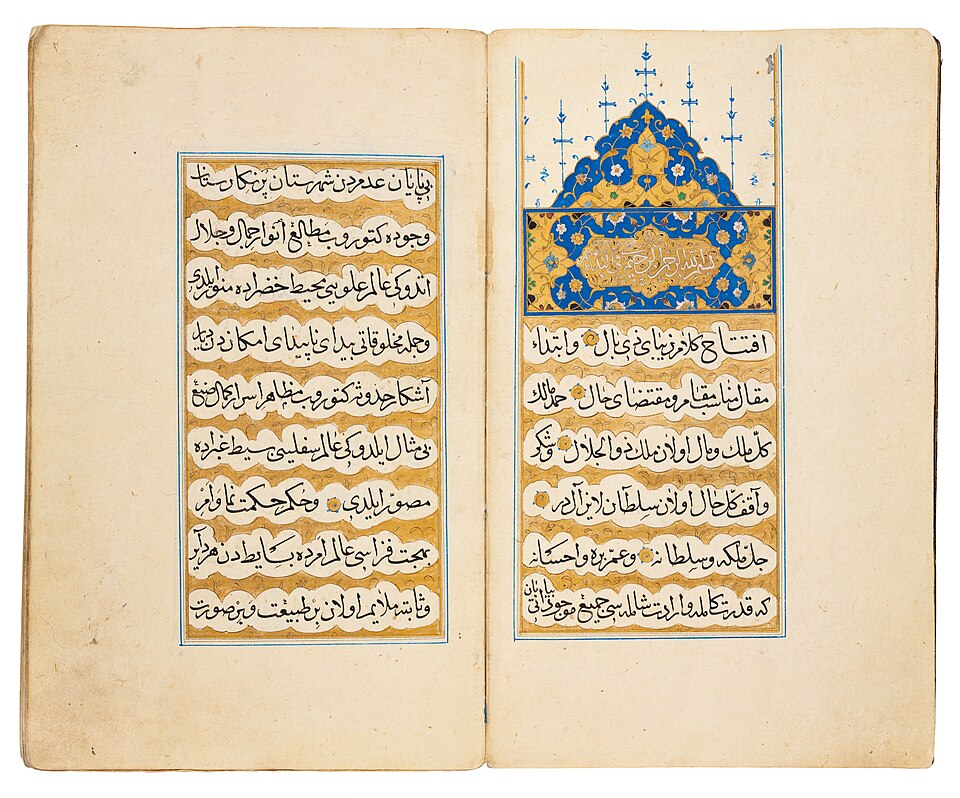
A waqf (vakıf, pious endowment) was the act by which a person freely set aside his or her own property to meet people's needs and bound it to a legal status by contract. As Bahaeddin Yediyıldız stresses in the TDV article, the system rested on three ideas: hayrat, the charitable works that served the public directly (mosques, madrasas, soup kitchens, fountains, bridges and the like); akarat, the income-producing assets that financed them (shops, inns, bathhouses, farmland, cash); and the waqf itself, the legal act linking the two. The akarat were the means, the hayrat the end. Endowed property could not be sold, given away or appropriated in any form, which gave the institution permanence.
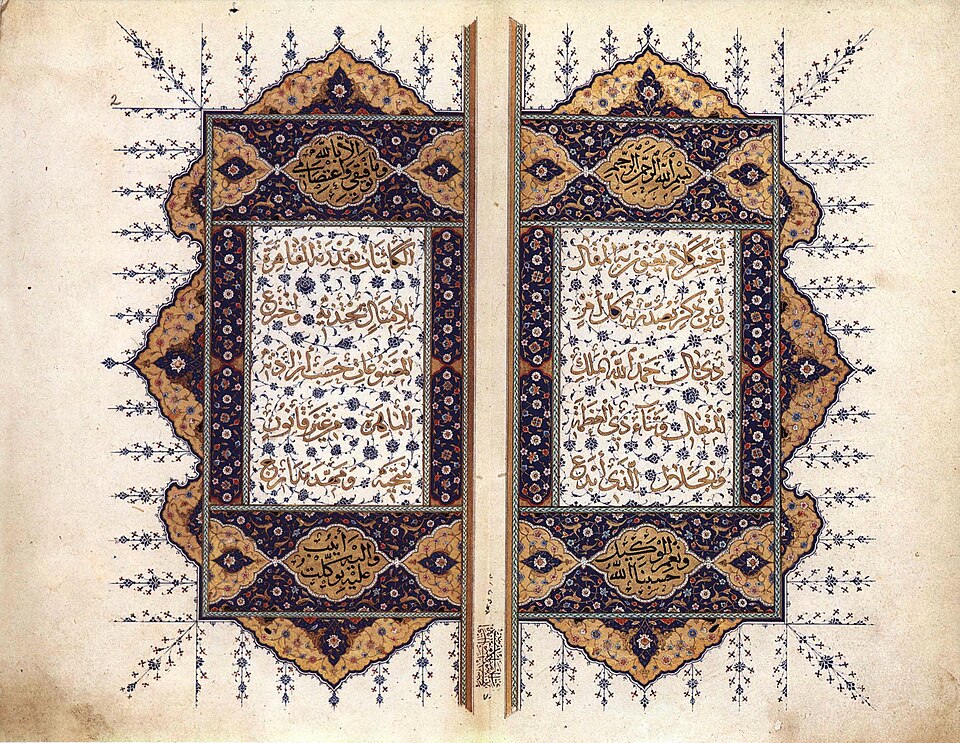
How a waqf was to be run and who would benefit was laid down in the endowment deed (vakfiye), which contained the founder's conditions and served as its charter. Jurists expressed the binding force of these conditions in the maxim “the founder's stipulation is like the text of the Lawgiver”. The person who managed the waqf according to its deed was the mütevelli, its supervisor the nazır, and judges (kadı) held a general power of oversight. Besides charitable waqfs, family (zürri) waqfs, whose income went first to the founder's relatives and, once they died out, to the poor, were regarded as lawful in Ottoman society and widely used. Irsadi waqfs, in which revenues from state land were assigned to public services, formed a separate group.

The külliye and the city
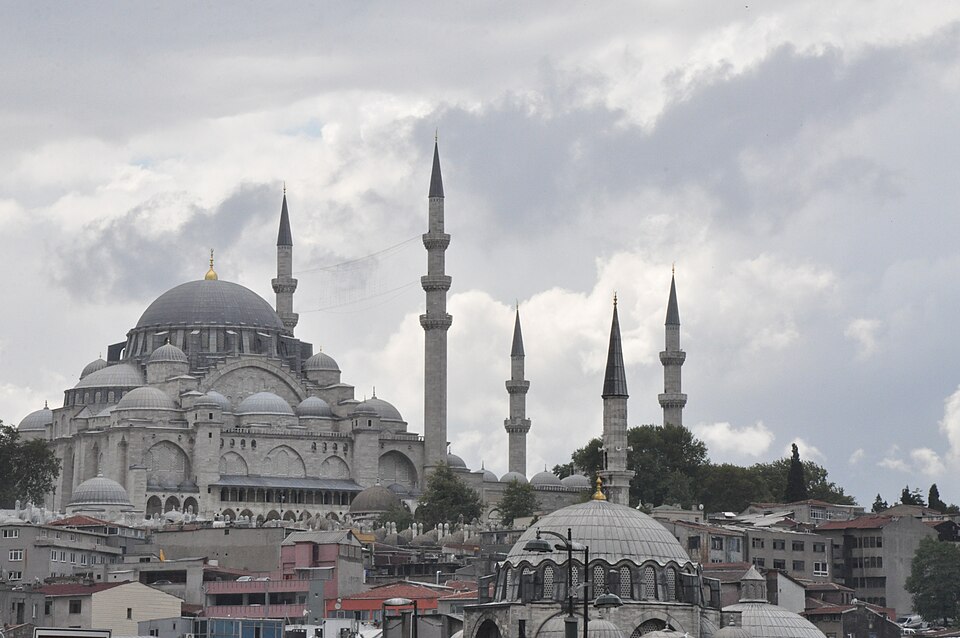
The most developed expression of the Ottoman waqf order was the külliye, a complex of charitable buildings. It had three parts: charitable buildings for worship, education, health and food; income-producing premises such as shops, inns, bathhouses, markets and covered bazaars; and the housing around them. Before construction began, water channels were laid and fountains and a bathhouse built. For the soup kitchen of Mehmed II's complex, 4,250 shops, three inns, four bathhouses, a covered bazaar and 1,130 houses in Istanbul and Galata were endowed. In the 16th century the fourteen külliyes with soup kitchens built by the architect Sinan are found to have employed 2,529 people in total.
In Yediyıldız's view, Istanbul was a “city of charitable works” built essentially by waqfs; where one complex ended the units of the next began, producing a vast urban fabric. From the early Ottoman period statesmen and wealthy people founded new waqfs in conquered cities, changing their physical appearance. A late example is Damad Ibrahim Pasha, who founded waqfs in his birthplace, the village of Muşkara, and brought in settlers, turning it into Nevşehir (“New Town”). Each soup kitchen attached to the Istanbul complexes fed on average 500–1,000 people a day; in the 18th century more than 30,000 people ate daily at Istanbul's soup kitchens.

Fields of service
Education rested largely on waqfs: primary schools (sıbyan mektebi) gave elementary instruction, while madrasas, schools of hadith and schools of Qur'an recitation provided secondary and higher learning. Many madrasas in the Ottoman state were founded as waqfs, which covered all their costs, from the salaries of teachers and staff to the needs of students. Dervish lodges, libraries and hospitals also lived on endowments. Around 1540 the province of Anatolia alone had 342 mosques, 1,055 small mosques, 110 madrasas, 626 dervish lodges, forty-five soup kitchens, 154 primary schools and seventy-five large inns and caravanserais.
Many services now provided by municipalities were also carried out by waqfs: dams and water networks, fountains and sebils handing out cold water in summer, bathhouses, and the cleaning and lighting of streets. Roads, bridges and caravanserais eased the journeys of merchants and pilgrims. There were waqfs founded by craft guilds as mutual aid funds and waqfs set up to pay a village's or neighbourhood's extraordinary levies (avarız). In the fifteenth and 16th centuries, waqfs supporting dervishes who settled in frontier regions and founded lodges played an important part in the Islamisation of newly conquered lands.
Cash waqfs and the economy
One practice that set the Ottomans apart from earlier Islamic states was the cash waqf. Not permitted in classical Hanafi doctrine, it spread in Ottoman society from the 15th century and provoked heated debate among scholars in the first half of the sixteenth. When Shaykh al-Islam Ebussuud Efendi issued a fatwa in its favour in 1548 and a decree followed, cash waqfs became an official and binding practice, although his contemporary Birgivi opposed them. By the mid-16th century cash funds made up a significant share of Ottoman waqf capital.
Waqfs carried great economic weight. In 1530–1540, 17 per cent of the total revenue of the province of Anatolia (79,784,960 akçe) belonged to waqfs; the share was 14 per cent in Karaman and 15.7 per cent in Rum. These figures exclude urban waqf income. According to calculations, the overall budget of the waqfs reached one third of the state budget. The Ottomans also preserved older waqfs in the lands they conquered: in 1522 a superintendent of waqfs was appointed to Egypt; Selim I and Suleiman I enlarged the endowments of the Mamluk sultans Jaqmaq and Qaytbay, and Murad III and other members of the dynasty founded new ones. The soup kitchen built in Jerusalem in 1551 by Hürrem Sultan, Süleyman's wife, was part of this tradition.
Centralisation and legacy
In Ottoman lands each waqf was run as a separate unit by its administrators, but from the 15th century the state exercised a kind of central control over the imperial (selatin) waqfs. In later centuries the number of waqfs attached to offices such as the grand vizierate, the office of the Shaykh al-Islam, the inspectorate of the waqfs of the Holy Cities (Haremeyn) and the chief black eunuch grew. Partly during Selim III's reforms, but mostly after Mahmud II abolished the Janissary Corps in 1826, control of the major waqfs passed to the centre. The Ministry of Imperial Endowments (Evkaf-ı Hümayun Nezareti) was founded in October 1826 and in the following years gradually took over the rich waqfs attached to those offices.
With the Tanzimat the legislation governing waqf administration expanded. The Ministry of Endowments opened schools such as the Medresetü'l-vaizin for preachers, the Medresetü'l-kudat for judges and the Medresetü'l-hattatin for calligraphers, reorganised libraries and founded the Museum and Press of Islamic Endowments. In the second half of the nineteenth and early 20th centuries some waqf administrators deposited endowed cash with the Ottoman Bank. The Ministry of Religious Affairs and Endowments, set up in 1921, was abolished on 3 March 1924, and waqf administration was integrated into the state organisation of the Republic of Turkey. The mosques, madrasas, fountains, bridges and complexes that survive today are the most visible legacy of this system in Ottoman cities.
Source: TDV Encyclopedia of Islam, “VAKIF” (Hacı Mehmet Günay; Bahaeddin Yediyıldız)
Related sultans
Cite as: Atlas of the Sultans, “The waqf system in the Ottoman Empire · State organisation”, https://padisahlaratlasi.com/en/ottoman-state-organisation/the-waqf-system-in-the-ottoman-empire/ (last updated 21 November 2026). Corrections · Image credits