TRENDEFRARAtlas of the Sultans · State organisation
The Office of Şeyhülislam
Institution · Head of the learned hierarchy · 1425–1924
 AI

Origins of the title
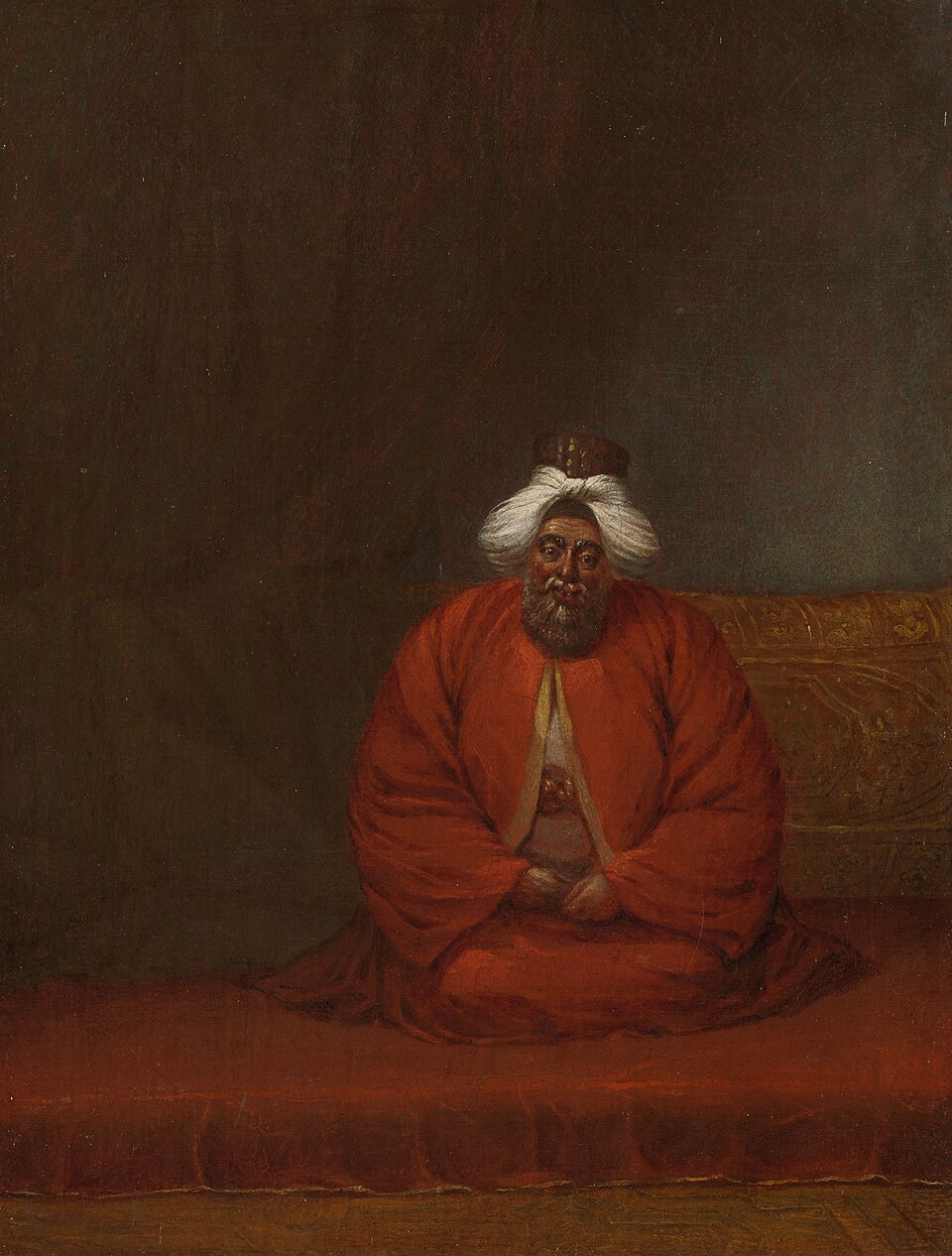
Şeyhülislam was the title of the scholar who stood at the head of the Ottoman learned hierarchy (ilmiye). Formed from şeyh (“elder, chief, sage”) and Islam, the expression appeared in the second half of the tenth century as an honorific given to leading scholars (ulema) and Sufis in the Islamic world, and gradually came to mean “the most senior, the chief of the scholars.” In the eleventh century the head of the Shafiʿi scholars in Khorasan bore this title; among the Mamluks it was given to jurists renowned for their legal opinions (fetva), and by around 1300 it designated well-known muftis. Under the Safavids in Iran it was an official title of the head of the religious court. Yet it was under the Ottomans that the office became a deeply rooted religious institution.
When the Ottoman institution was founded, and who first held it, is disputed. The appointment of Molla Fenari, long the judge (kadı) of Bursa, as mufti of Bursa in 1425 (828 AH) is generally taken as the starting point; but it would be wrong to equate this modest fetva post with the 16th-century institution that represented the entire learned hierarchy. The rise of a separate fetva office at a time when the military judgeship (kazasker) and the judgeship of Bursa already existed is explained by the religious, political and ideological conditions of the 1420s, a period of recovery after the Interregnum (Fetret) that also saw certain heterodox movements. That Bertrandon de la Broquière, received by Murad II in 1433, spoke of a “great caliph” comparable to a pope shows that the muftiship had already become an important position.
From fetva post to head of the ulema
In the 15th century scholars such as Molla Fenari, Fahreddin-i Acemi, Molla Hüsrev and Molla Gürani served as mufti under Murad II and Mehmed II the Conqueror, yet the chronicles of the period do not call them şeyhülislam. The statement in Mehmed II’s Law Code of Organization (Teşkilat Kanunnamesi) that the şeyhülislam was the chief of the ulema, unless it is a later interpolation, must have given the title an official character. The same code requires the grand vizier to give precedence in ceremonial to the şeyhülislam and to the sultan’s tutor.
The turning point was the twenty-three-year tenure (1503–1526) of Zenbilli Ali Efendi, spanning the reigns of Bayezid II, Selim I and Suleiman the Magnificent. Teaching at the college Bayezid II had built in Istanbul and the supervision of its complex were entrusted to the şeyhülislams. According to tradition, Zenbilli Ali Efendi rebuffed Selim, who held that the mufti should confine himself to religious matters, declaring that watching over both the faith and the worldly affairs of the sultan was the şeyhülislam’s chief duty. His successors Kemalpaşazade and Sadi Çelebi further raised the prestige of the office through their opinions and counsel.
The roughly thirty-year tenure of Ebussuud Efendi left a deep mark on the institution. He was the first scholar appointed directly from the military judgeship of Rumelia, and from then on moving from that post to the şeyhülislamate became customary. He created the office of the fetva emini (secretary of legal opinions); though he opposed certain practices with the words “a sultan’s order cannot make lawful what is unlawful,” his opinions generally upheld the basic political principles of the state and sought to reconcile Islamic law (şeriat) with dynastic law (kanun). When, in the mid-16th century, appointments of high-ranking judges and professors (mevleviyet) passed from the kazaskers to the şeyhülislam, the office’s administrative duties grew; by the end of the century şeyhülislams played a role equal to that of grand viziers in political decisions.
Duties and powers
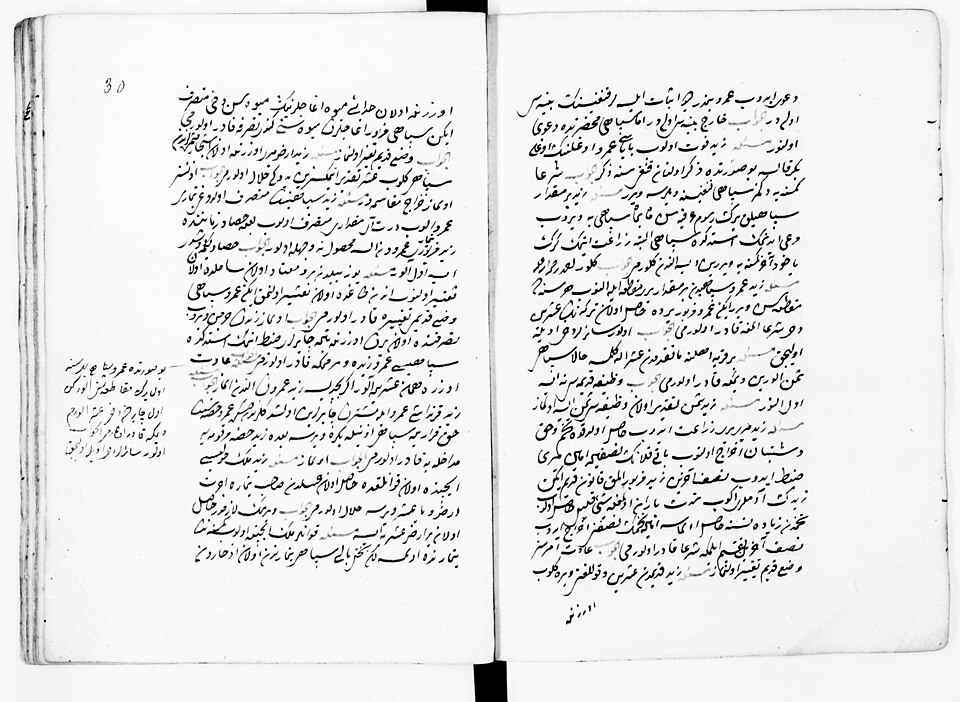
The şeyhülislam’s most basic duty was to issue fetvas according to Hanafi jurisprudence on the religious, political and administrative questions put to him. Fetvas opened with a set formula asking how the Hanafi imams answered the question; they were drafted in the fetva office (fetvahane) by the fetva emini and fair-copy clerks, while the şeyhülislam wrote the answer and signed it himself. Fetvas brought by litigants carried great weight in the courts, and thousands were later compiled into collections. The office was also responsible for appointing, transferring and dismissing all provincial, district and local muftis. From the 17th century, all appointments in the learned hierarchy, including the chief physician, the chief astrologer and the sheikhs of Sufi lodges, were made on the şeyhülislam’s proposal to the grand vizier, called işaret-i aliyye. He also oversaw the ruus examinations, supervised great endowments (vakıf), chose the scholars for the imperial Ramadan lectures and girded the new sultan with the sword after his accession.
The şeyhülislam was not a member of the Imperial Council (Divan-ı Hümayun), but from the 16th century sultans and grand viziers consulted him ever more often, and after the 17th century şeyhülislams were effectively part of the government. On the death of Ahmed I the dignitaries gathered at the house of Şeyhülislam Hocazade Esad Efendi and decided on the accession of Prince Mustafa; Hocazade’s fetva prepared the ground for the principle that the eldest and most mature member of the dynasty should succeed. In the eighteenth and 19th centuries, when the Divan lost its importance, the şeyhülislam sat at the head of the consultative assemblies (meşveret meclisi) that debated declarations of war, peace and the deposition of sultans, as their most powerful member. The two separate fetvas drawn up in 1826, at assemblies held in his mansion, for the new military organization are examples of this.

Appointment, dismissal and politics
In the 16th century şeyhülislams were appointed from among scholars with a set education and career, on the grand vizier’s submission and with the sultan’s approval. Whereas they had once held office for life, from the 17th century they were frequently replaced, and the search for political and administrative harmony came to the fore alongside scholarly criteria. Over the institution’s five centuries, 131 muftis and şeyhülislams are counted, with an average tenure of three and a half years. Fifteen served between 1424 and 1574, forty-three between 1575 and 1730, and fifty-eight between 1730 and 1880. Sunullah Efendi held the post four times between 1599 and 1608, while Memekzade Mustafa Efendi remained in office for only thirteen hours. In the tradition of the learned hierarchy the heaviest punishment for a scholar was dismissal and exile; the death penalty was imposed only in very exceptional cases.
In periods when military factions held sway, şeyhülislams were often drawn into political events against their will. In the affair of Osman II in 1622 and in the Patrona (1730) and Kabakçı (1807) revolts, the rebels sought the şeyhülislam’s fetva to legitimize their uprising. The religious and legal soundness of the deposition fetvas issued against Sultan Ibrahim and, later, against Abdulaziz and Murad V is disputed. The involvement of şeyhülislams in politics during the revolts of 1703 and 1730 caused the institution a serious loss of prestige. On the other hand, reform-minded şeyhülislams also appeared in times of reform: Selim III esteemed Dürrizade Mehmed Arif Efendi for this reason, and Meşrepzade Mehmed Arif Efendi secured the opening of the Muallimhane-i Nüvvab, a school for training judges.
The Bab-ı Meşihat and abolition
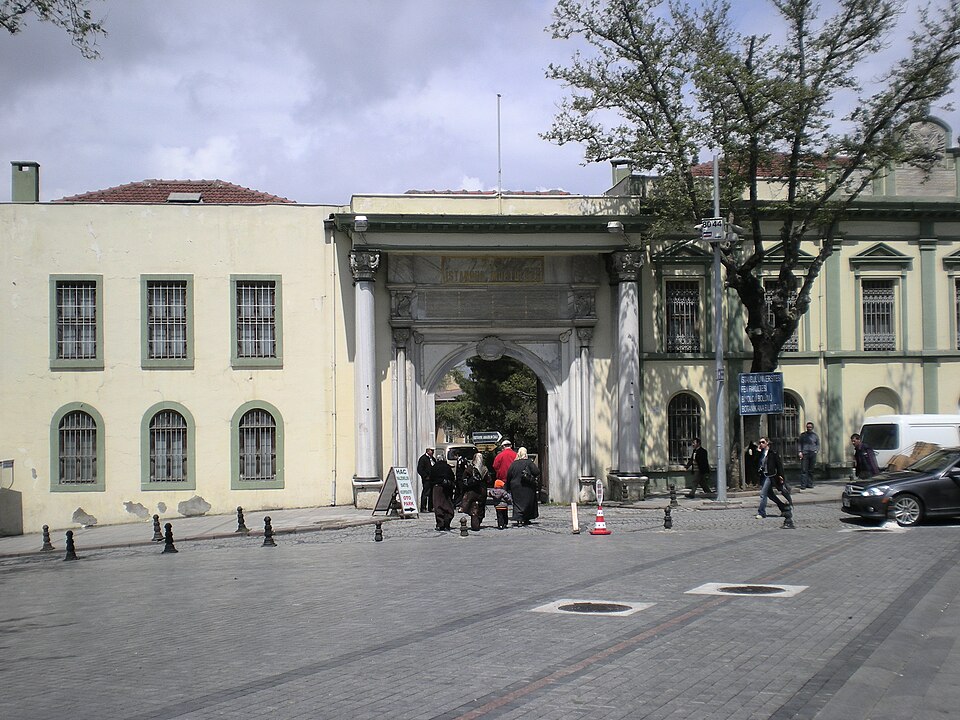
When the Janissary corps was abolished in 1826, the office of the şeyhülislam, together with all the religious-legal institutions including the military judgeships and the judgeship of Istanbul, moved to the former Janissary Agha’s headquarters (Ağakapısı), which was renamed Bab-ı Meşihat; its departments employed some 150 officials in all. After this “Auspicious Event” (Vaka-i Hayriye) the power of the şeyhülislam and the ulema began to decline, a trend that became clearer after the Tanzimat and the Second Constitutional Period. In the 19th century şeyhülislams became members of the cabinet and, like other officials, received a fixed salary. Some were given additional posts: in 1871 the ministry of imperial endowments (Evkaf-ı Hümayun) was entrusted to Ahmed Muhtar Beyefendi as a second office, and Dürrizade Abdullah Beyefendi and Mustafa Sabri Efendi each deputized for the grand vizier for a time.
Because the Ottoman state was regarded as the protector of the Muslims of the Balkans, the şeyhülislamate also handled the affairs of muftis in the Balkan states that had become independent; in Greece and Bulgaria after 1913, muftis’ letters of appointment were issued by the şeyhülislam in Istanbul. The five fetvas issued for the First World War, the deposition fetva against Vahdeddin and the fetva of Dürrizade Abdullah Beyefendi against the National Struggle were the institution’s last political fetvas. In the founding years of the Republic, the Grand National Assembly of Turkey first converted the şeyhülislamate into a Ministry of Religious Law and Endowments (Şer’iyye ve Evkaf Vekaleti); with the abolition of the caliphate in 1924 this ministry was also abolished and replaced by the Presidency of Religious Affairs (Diyanet Işleri Reisliği).

Source: TDV Encyclopedia of Islam, “ŞEYHÜLİSLÂM” (Mehmet Ipşirli)
Related sultans
Cite as: Atlas of the Sultans, “The Office of Şeyhülislam · State organisation”, https://padisahlaratlasi.com/en/ottoman-state-organisation/the-office-of-seyhulislam/ (last updated 21 November 2026). Corrections · Image credits